
Introduction
Choosing the right card printer is no longer a simple purchasing decision. In 2026, businesses rely on ID cards, employee badges, visitor credentials, membership cards, access control cards, and healthcare identification systems more than ever before. As security requirements increase and smart card technology becomes standard, selecting the appropriate card printer can significantly impact operational efficiency, credential security, and long-term costs.
Whether you operate a hospital, educational institution, corporate office, government agency, or card issuance service bureau, understanding the available technologies and matching them to your organization’s needs is essential.
This comprehensive guide will help you evaluate card printer options, understand industry trends, and make an informed investment that supports your business for years to come.
Why Choosing the Right Card Printer Matters
Many organizations focus primarily on the purchase price of a printer. However, the printer itself represents only one component of the overall investment.
Impact on Business Operations
A reliable card printer ensures uninterrupted issuance of employee badges, patient wristbands, visitor credentials, and access cards. Printer downtime can delay onboarding processes, disrupt security systems, and negatively affect customer experience.
Long-Term Cost Considerations
The total cost of ownership includes:
- Printer hardware
- Printing ribbons
- PVC cards
- Maintenance kits
- Replacement printheads
- Technical support
- Staff training
Selecting the wrong printer may lead to higher operating expenses and frequent maintenance issues.
Understanding Different Types of Card Printers
Before comparing models, it’s important to understand the two primary card printing technologies available today.
Direct-to-Card (DTC) Printers
Direct-to-card printers print images directly onto the surface of PVC cards using dye-sublimation technology.
Advantages of DTC Printers
- Lower initial investment
- Faster print speeds
- Reduced operating costs
- Easier maintenance
- Ideal for everyday card issuance
Best Applications for DTC Printers
DTC printers are commonly used for:
- Employee ID cards
- Student identification cards
- Membership cards
- Visitor badges
- Loyalty cards
For organizations with moderate security requirements and high printing volumes, DTC printers often provide the best balance of performance and affordability.
Retransfer Card Printers
Retransfer printers use a two-step process. Images are first printed onto a transfer film, which is then fused onto the card surface.
Advantages of Retransfer Technology
- True edge-to-edge printing
- Superior image quality
- Enhanced durability
- Better performance on uneven card surfaces
- Excellent compatibility with smart cards
Ideal Business Applications
Retransfer printers are frequently used for:
- Government credentials
- Healthcare identification cards
- Financial institution cards
- Corporate access cards
- High-security credentials
Organizations requiring premium card appearance and advanced security often choose retransfer technology.
Direct-to-Card vs Retransfer: Which Is Better?
The choice between DTC and retransfer technology depends largely on your business requirements.
Print Quality Comparison
Retransfer printers generally produce sharper images, richer colors, and full edge-to-edge coverage. DTC printers deliver excellent quality but typically leave a narrow border around the card edge.
Durability Comparison
Cards produced by retransfer printers often have better resistance to scratches and daily wear because the transfer film provides an additional protective layer.
Cost Comparison
DTC printers usually offer:
- Lower equipment costs
- Lower consumable costs
- Lower cost per card
Retransfer printers typically require a larger upfront investment and more expensive consumables.
Smart Card Compatibility
Organizations using RFID, NFC, MIFARE, DESFire, or HID technologies often benefit from retransfer printers because they handle embedded chips more effectively.
Single-Sided vs Dual-Sided Card Printing
Another important consideration is whether you need single-sided or dual-sided printing capabilities.
When to Choose Single-Sided Printing
Single-sided printers are suitable for:
- Visitor badges
- Temporary credentials
- Membership cards
- Low-information applications
They offer lower purchase costs and faster production speeds.
Benefits of Dual-Sided Printing
Dual-sided printing allows organizations to add:
- Terms and conditions
- Emergency contact information
- Security instructions
- QR codes
- Barcodes
- Corporate branding
Most businesses find dual-sided printers more versatile and future-proof.
How to Determine Your Printing Volume
Understanding your annual printing requirements can help narrow your options.
Low-Volume Card Printing
Typically under 1,000 cards annually.
Suitable for:
- Small businesses
- Fitness clubs
- Community organizations
Medium-Volume Card Printing
Between 1,000 and 10,000 cards annually.
Common among:
- Schools
- Healthcare clinics
- Medium-sized companies
High-Volume Card Printing
More than 10,000 cards annually.
Often required by:
- Universities
- Hospitals
- Government agencies
- Card issuance centers
High-volume environments benefit from printers with larger card hoppers and faster print speeds.
Essential Security Features to Consider
Security requirements continue to evolve in 2026.
UV Printing
Invisible UV graphics help prevent credential forgery and counterfeiting.
Holographic Overlays
Custom holographic images create additional layers of authentication.
Lamination Modules
Lamination improves durability while adding advanced security protection.
Microtext Security
Microtext is difficult to reproduce and can significantly enhance credential security.
Organizations handling sensitive information should prioritize these features.
Smart Cards, RFID, and NFC Compatibility
Modern businesses increasingly rely on contactless technologies.
RFID Access Control Cards
RFID cards provide secure access management for offices, hospitals, educational institutions, and industrial facilities.
NFC Applications
NFC-enabled cards support:
- Mobile credential systems
- Cashless payments
- Digital identity verification
- Event management
HID and MIFARE Credentials
Many organizations use HID and MIFARE technologies for secure access control and identity management. Ensuring printer compatibility is critical before purchasing equipment.
Calculating the Total Cost of Ownership
A low-cost printer may become expensive over time if consumables and maintenance costs are high.
Printer Hardware Costs
Evaluate the purchase price relative to expected lifespan and features.
Ribbon and Consumable Costs
Consumables often represent the largest ongoing expense in card issuance programs.
Maintenance Expenses
Regular cleaning and preventive maintenance can significantly extend printer life.
Downtime Costs
Printer failures can disrupt business operations and increase labor expenses.
When comparing options, calculate costs over a three-to-five-year period rather than focusing solely on the initial purchase price.
Best Card Printers for Different Industries
Different industries have unique requirements.
Healthcare Organizations
Healthcare providers often require:
- Durable credentials
- Barcode compatibility
- RFID integration
- High-security features
Retransfer printers are commonly selected for healthcare card applications.
Educational Institutions
Schools and universities typically prioritize:
- Student IDs
- Library cards
- Access control credentials
Dual-sided DTC printers are often sufficient for these environments.
Corporate Offices
Businesses commonly require:
- Employee badges
- Visitor management credentials
- Access control cards
Mid-range DTC printers usually provide excellent value.
Government Agencies
Government organizations typically demand:
- Maximum security
- Long card lifespan
- Advanced anti-counterfeiting measures
Retransfer printers with lamination modules are often preferred.
Common Mistakes Businesses Make When Buying a Card Printer
Avoiding common purchasing mistakes can save significant costs.
Focusing Only on Initial Price
The cheapest printer is rarely the most economical solution over its lifetime.
Ignoring Future Expansion
Many organizations underestimate future growth and quickly outgrow their equipment.
Overlooking Consumable Availability
Reliable access to ribbons, cleaning kits, and cards is essential for uninterrupted operations.
Underestimating Security Requirements
Security regulations and compliance standards continue to evolve. Planning ahead reduces future upgrade costs.
Why Consumables Are Just as Important as the Printer
Printer performance depends heavily on the quality of consumables used.
Ribbon Quality
High-quality ribbons provide:
- Better color accuracy
- Consistent image quality
- Longer printhead life
Card Material Quality
Premium PVC cards reduce print defects and improve durability.
How Idprintcare Helps Reduce Printing Costs
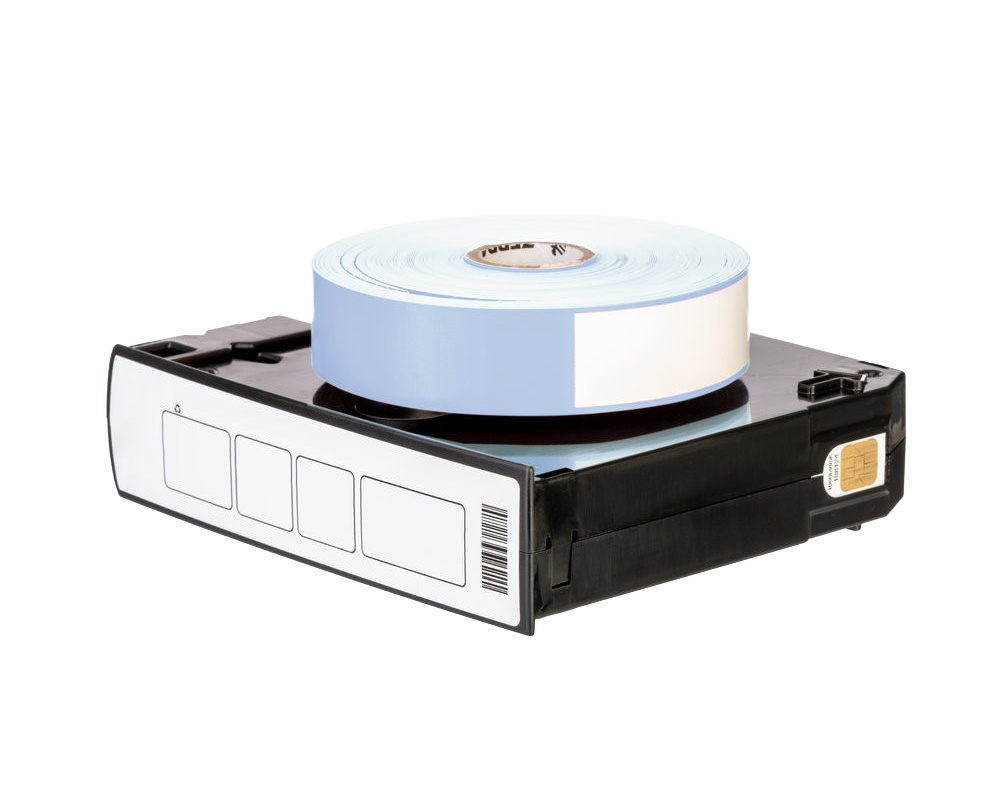
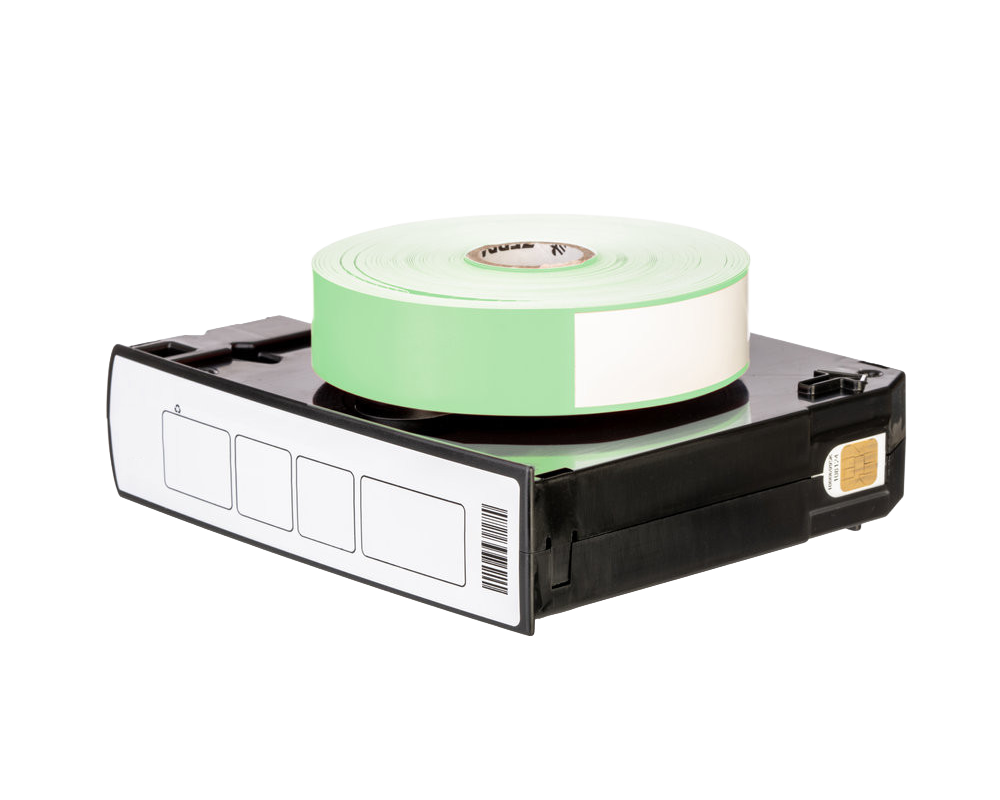
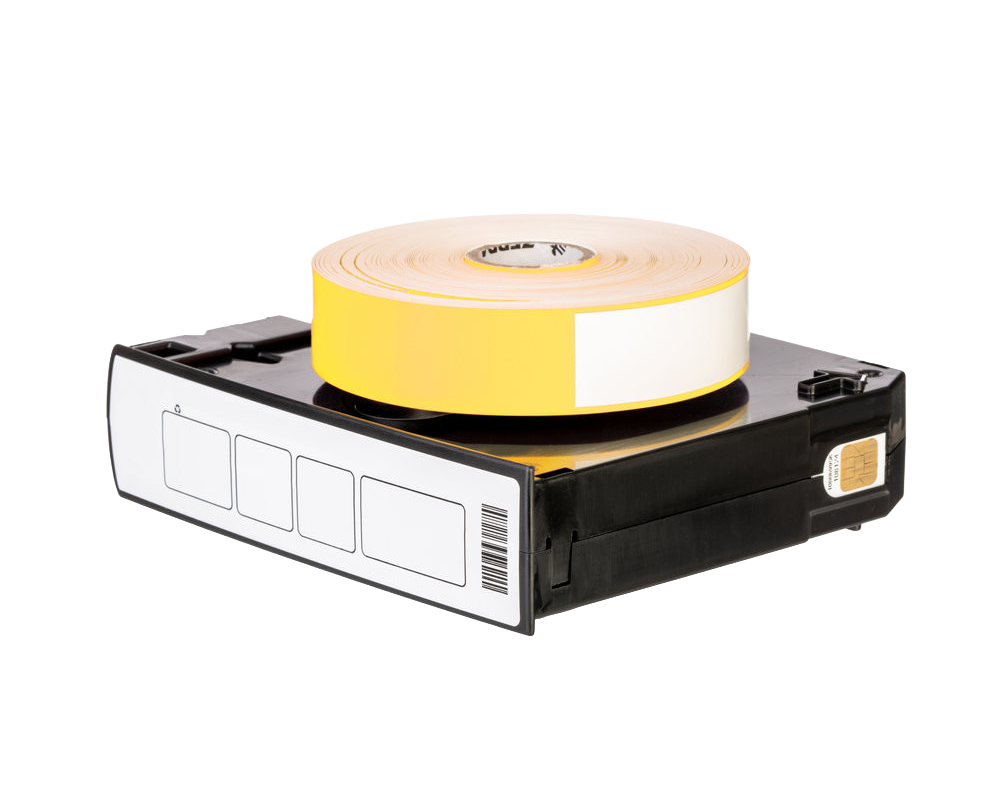
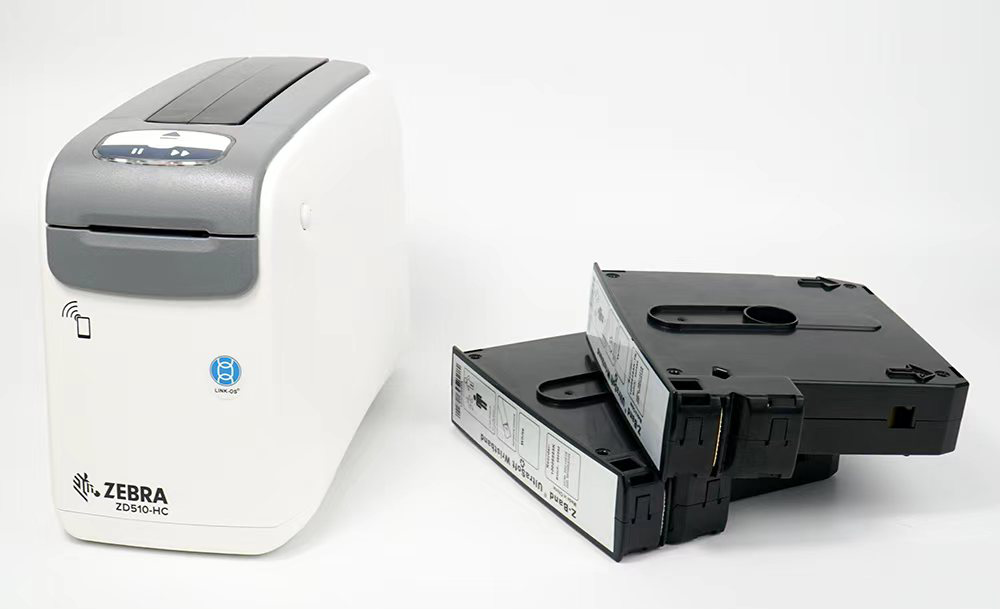
At Idprintcare, we understand that businesses need reliable and cost-effective printing solutions. In addition to supplying compatible consumables for Zebra medical wristband printers and card printers, we focus on helping distributors, resellers, healthcare providers, and enterprise customers reduce operating expenses without sacrificing print quality.
Reliable ribbons, cards, and printer supplies contribute directly to lower total ownership costs and more consistent printing performance.
Future Trends in Card Printing for 2026 and Beyond
The card printing industry continues to evolve rapidly.
Growth of RFID Credentials
RFID technology is becoming standard across healthcare, education, and corporate environments.
Sustainable Card Printing
Organizations are increasingly adopting environmentally friendly card materials and recycling programs.
Cloud-Based Credential Management
Cloud-based systems simplify card issuance and remote credential management.
Enhanced Security Technologies
Demand for anti-counterfeiting features, biometric integration, and digital identity solutions continues to grow.
Businesses investing today should ensure their chosen printer can adapt to future technological developments.
Frequently Asked Questions
What is the best card printer for small businesses?
A direct-to-card printer is usually the most cost-effective option for small businesses that produce standard employee badges and membership cards.
Are retransfer printers worth the investment?
Yes. Organizations requiring premium image quality, smart card compatibility, and enhanced durability often benefit from retransfer technology.
How long does a card printer typically last?
Most commercial card printers can operate reliably for five to ten years with proper maintenance.
Should I buy a dual-sided printer?
For most organizations, dual-sided printers provide greater flexibility and accommodate future requirements.
Which industries benefit most from RFID card printing?
Healthcare, education, government, manufacturing, and corporate access control applications all benefit from RFID-enabled credential systems.
Conclusion
Choosing the right card printer for your business in 2026 requires careful consideration of printing technology, security features, production volume, smart card compatibility, and long-term operating costs.
Direct-to-card printers remain an excellent choice for many organizations due to their affordability and efficiency. However, businesses requiring premium print quality, advanced security, and smart card compatibility should strongly consider retransfer technology.
By evaluating both current and future requirements, organizations can make a strategic investment that improves credential management, enhances security, and reduces operational expenses.
For businesses seeking reliable card printing consumables and compatible solutions, Idprintcare continues to support distributors, healthcare providers, resellers, and enterprise customers with dependable products designed for professional card issuance environments.