
Global healthcare systems are under increasing pressure to cut costs while maintaining uncompromised patient safety. Wristbands—though small in appearance—are one of the most essential consumables used across every department: admissions, emergency, maternity, pediatrics, oncology, surgery, laboratory, and beyond. In 2025, hospitals are experiencing dramatic increases in supply chain costs, making wristband procurement optimization an important, high-impact strategy.
This in-depth guide explains how hospitals can significantly reduce wristband expenses without putting patient safety at risk. We analyze purchasing strategies, evaluate OEM vs. compatible options, provide real-world cost comparisons, and show how idprintcare.com supports healthcare procurement teams with safe, reliable, and cost-effective solutions.
A. Rising Global Healthcare Costs
Hospitals worldwide are facing soaring operational expenses driven by:
- Inflation in medical consumables
- Labor shortages and rising wages
- Higher disinfectant and PPE usage
- Increasing inpatient admissions
- Stricter regulatory requirements
- Supply chain disruptions
Even small consumables like wristbands contribute significantly to annual budgets when multiplied across thousands of patients and multiple departments.
A medium-size hospital consumes:
- 10,000–30,000 wristbands per month
- 120,000–360,000 wristbands per year
At OEM pricing, this can translate into tens of thousands of dollars annually—just for wristbands.
Reducing this cost safely is an important step toward relieving financial pressure.
B. Budget Pressure on Purchasing Departments
Purchasing and materials management teams must balance competing priorities:
- Ensure continuous wristband availability
- Prevent barcode scanning failures
- Maintain patient safety compliance
- Reduce annual supply costs
- Simplify procurement workflows
- Evaluate vendor performance
- Avoid supply chain interruptions
The challenge: how to cut costs without reducing quality.
This is where strategic purchasing and high-quality compatible wristbands provide substantial advantages.
C. Strategies for Reducing Wristband Expenses Safely
Hospitals can reduce patient ID wristbands costs using several proven methods that do not compromise safety or scanning accuracy.
Strategy 1: Switch from OEM Wristbands to High-Quality Compatible Wristbands
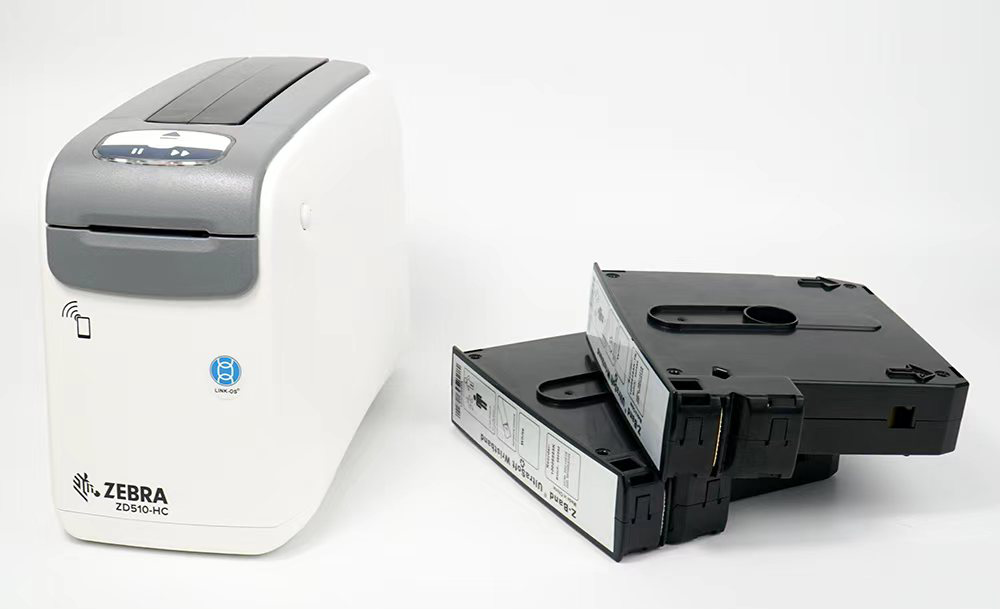
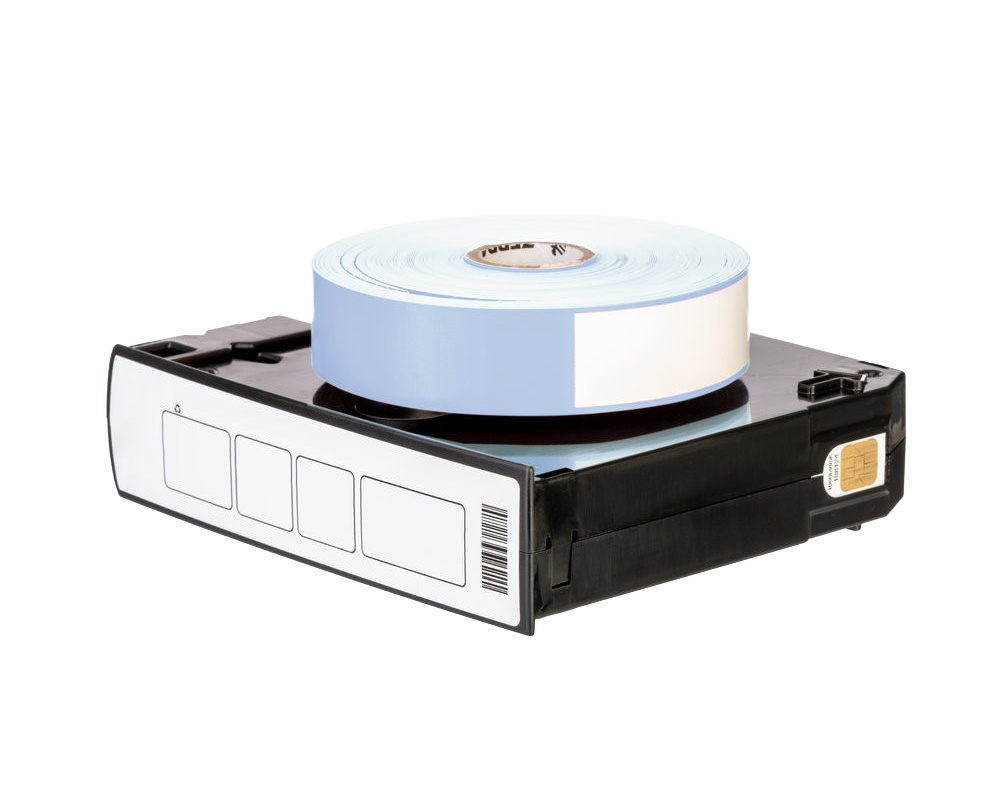
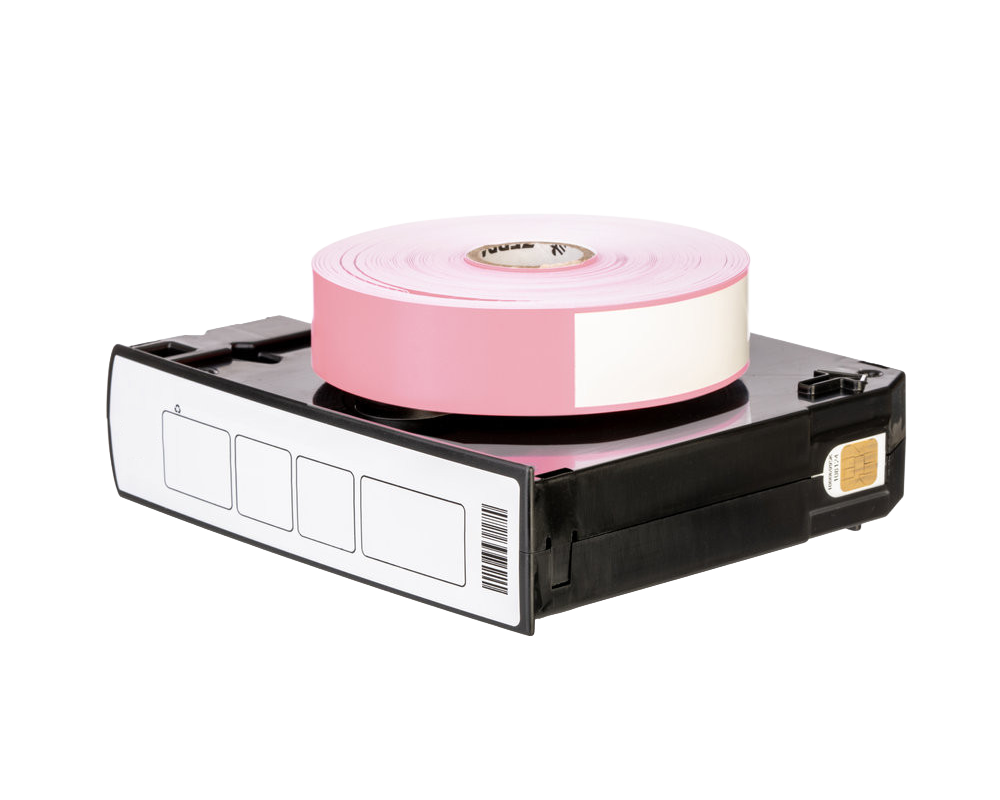
OEM wristbands for printers like the Zebra ZD510-HC are reliable but expensive.
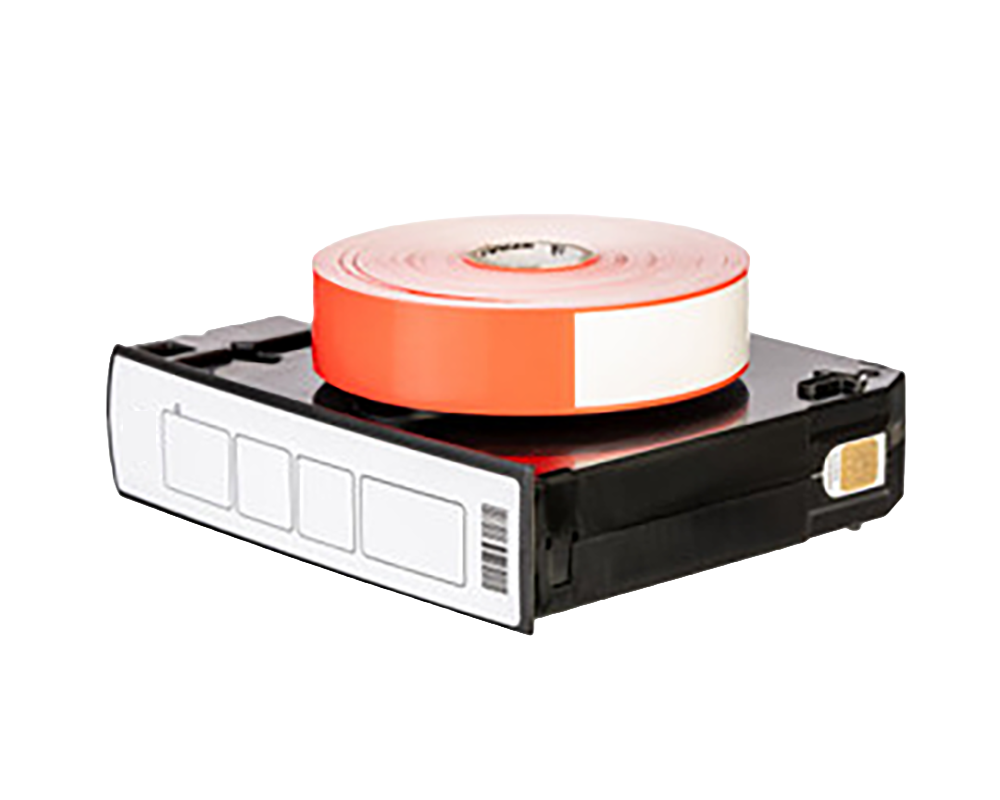
High-quality compatible wristbands—designed to match OEM specifications—now offer:
- Equal print quality
- Equal barcode durability
- Full alcohol resistance
- Cartridge compatibility
- Lower cost (30%–60% savings)
- Consistent performance under disinfectant exposure
An increasing number of hospitals are transitioning to compatible wristband cartridges due to rising OEM pricing.
Strategy 2: Consolidate Suppliers
Many hospitals buy wristband cartridge from multiple distributors, each with:
- Different pricing
- Different lead times
- Different quality levels
Consolidating to one dedicated supplier reduces:
- Administrative time
- Purchase order volume
- Shipping costs
- Quality inconsistencies
A single trusted vendor improves workflow reliability and reduces long-term cost.
Strategy 3: Leverage Volume Purchasing & Contract Discounts
Hospitals that commit to larger quantities or multi-month contracts benefit from:
- Lower per-unit pricing
- Locked-in rates for 6–12 months
- Reduced exposure to fluctuating global material costs
- Priority production and shipping
Volume agreements typically generate 10–25% additional cost savings.
Strategy 4: Implement Multi-Department Standardization
Many facilities use different wristbands across different departments. Standardizing wristband models across the hospital:
- Reduces SKU complexity
- Enables bulk purchasing
- Reduces waste
- Improves barcode consistency
A standardized wristband program cuts expenses and simplifies operations.
Strategy 5: Evaluate Annual Usage & Reduce Overordering
Some hospitals overestimate monthly usage, leading to:
- Stockpiling
- Storage waste
- Expired or damaged wristbands
A simple annual usage audit can reduce procurement volume by 5–12%.
Strategy 6: Improve Printer Maintenance to Reduce Waste
Printer issues can waste entire cartridges.
Regular Zebra ZD510 HC wristband printer maintenance:
- Reduces misprints
- Eliminates wristband reprints
- Minimizes cartridge jams
- Extends printhead lifespan
Reducing waste is an indirect but powerful cost-saving measure.
D. Switching from OEM to Compatible Wristbands: Safety, Savings & Reliability
In the past, hospitals hesitated to switch from OEM wristbands due to concerns about quality. But in 2025, advanced compatible wristbands have evolved significantly.
High-Quality Compatible Wristbands Now Offer:
✔ 300 dpi print compatibility
Ensures crisp barcodes, even for small QR codes and DataMatrix codes.
✔ Full alcohol and disinfectant resistance
Testing shows resistance to:
- 70–99% IPA
- Ethanol-based sanitizers
- Bleach wipes
- Peroxide disinfectants
✔ Secure cartridge recognition
Works seamlessly with the Zebra ZD510-HC cartridge reader.
✔ Medical-grade softness & comfort
Safe for adults, pediatrics, and infants.
✔ Durability for multi-day admissions
Print remains clear even after repeated cleaning.
✔ Lower cost—30%–60% savings compared to OEM
Annual savings can reach $20,000–$120,000 for larger hospitals.
E. Volume Purchasing & Long-Term Contracts
For large medical facilities, sophisticated purchasing strategies amplify savings.
Long-term procurement contracts provide:
- Predictable monthly supply
- Priority production scheduling
- Locked pricing for 6–12 months
- Lower per-unit cost
- Reduced administrative overhead
- Budget forecasting accuracy
Hospitals that commit to long-term compatible wristband supply contracts consistently achieve the highest cost reduction without sacrificing safety.
F. Real-World Cost Comparison: OEM vs Compatible Wristbands
Below is a typical cost comparison for ZD510-HC wristbands (example values):
| Wristband Type | Cost per Cartridge | Wristbands per Cartridge | Cost per Wristband |
|---|---|---|---|
| OEM | $45–$55 | 200 | $0.22–$0.27 |
| Compatible | $22–$30 | 200 | $0.11–$0.15 |
Typical Savings: 40%–55%
A hospital using 250,000 wristbands/year can save:
$30,000–$60,000 annually
by switching to high-quality compatible medical wristbands—without reducing safety or performance.
G. How idprintcare.com Supports Hospital Procurement Teams
idprintcare.com is built specifically to support hospitals, clinics, and healthcare networks that use the Zebra ZD510-HC system.
We offer:
✔ High-Quality ZD510-HC Compatible Wristbands
- Medical-grade material
- Full alcohol resistance
- Strong print adhesion
- Smooth patient comfort
- Reliable 300 dpi print quality
- Tested against disinfectants and IPA
✔ Factory-Direct Pricing
We work directly with the manufacturer—no middlemen—providing procurement teams with the lowest possible pricing.
✔ Consistent Supply Availability
We ensure:
- Stable stock
- Fast replenishment
- No supply chain interruptions
✔ Supports Adult, Pediatric & Infant Sizes
All three cartridge types available:
- White adult
- Soft pediatric
- Ultra-soft infant
✔ Samples for Testing
Hospitals can request samples to conduct:
- Scan tests
- Alcohol tests
- Printer compatibility tests
- Durability evaluations
✔ Volume & Long-Term Contract Discounts
Large hospital groups can achieve exceptional savings through:
- Bulk orders
- Yearly procurement contracts
- Multi-hospital agreements
✔ Dedicated Support for Hospital Procurement
Our team helps with:
- Usage analysis
- Cost-saving planning
- Workflow optimization
- Onboarding multiple departments
Conclusion: Hospitals Can Reduce Wristband Costs Safely & Significantly
Wristbands are essential—but they don’t need to be expensive. By switching to high-quality compatible solutions, standardizing departments, using volume purchasing, and partnering with reliable suppliers, hospitals can cut hidden costs of hospital wristbands dramatically while maintaining the highest safety standards.
idprintcare.com delivers the ideal balance of safety, reliability, compatibility, and savings, supporting healthcare procurement teams in achieving their annual budget goals without compromising patient care.