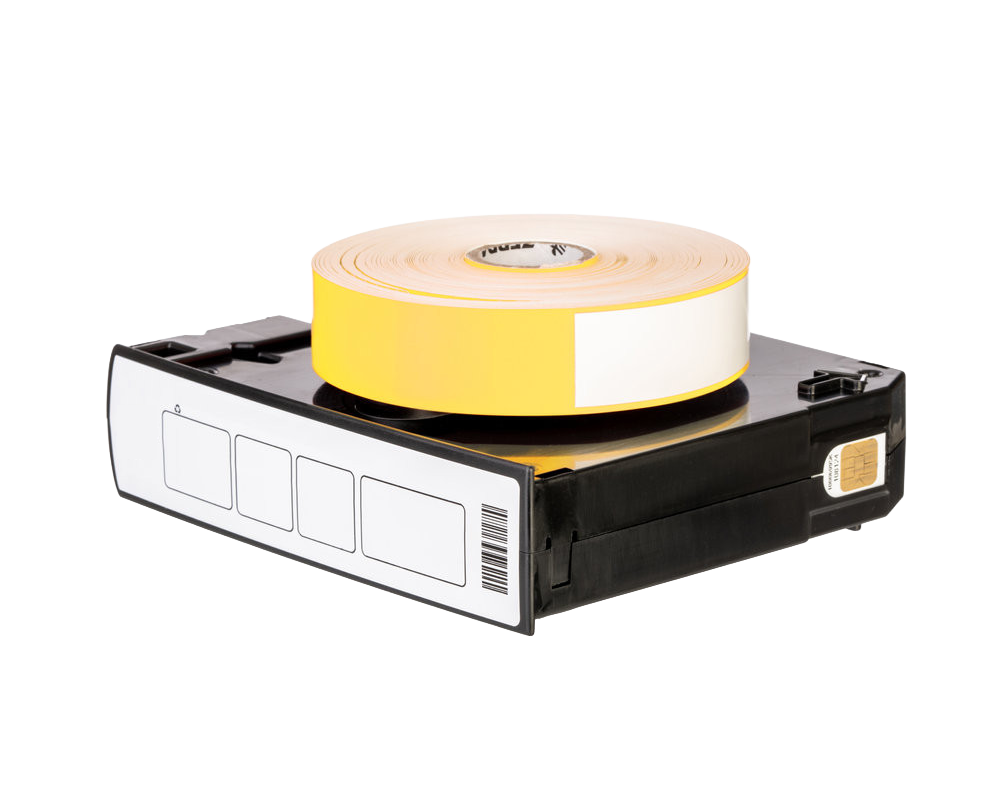
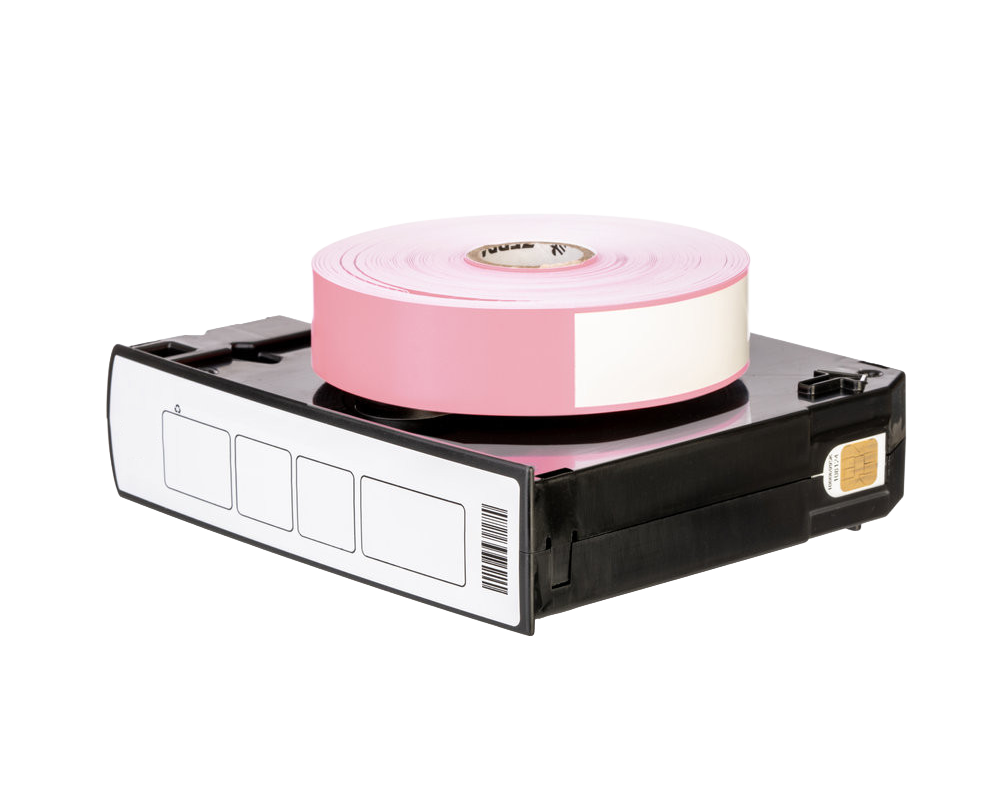
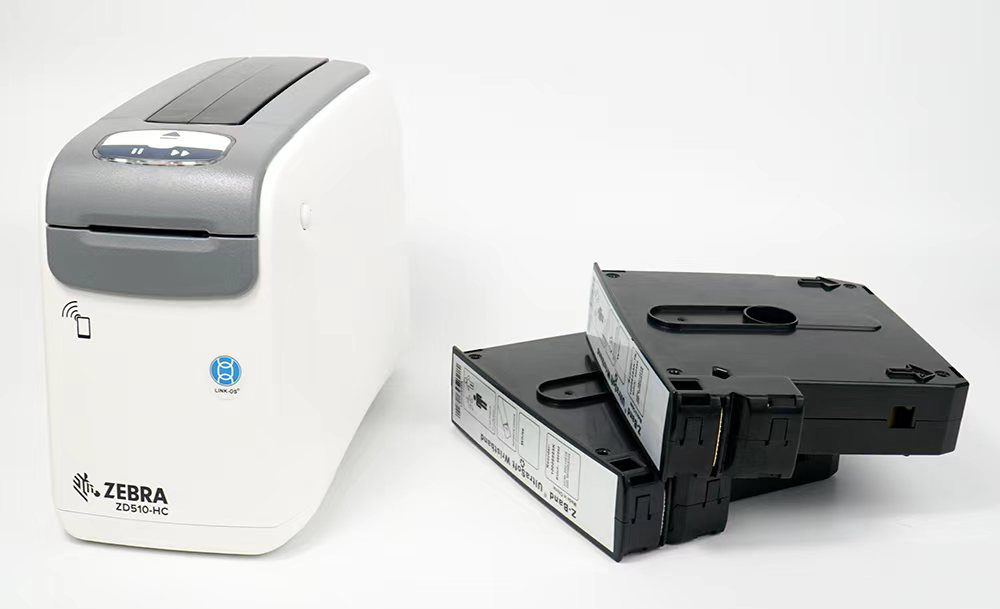
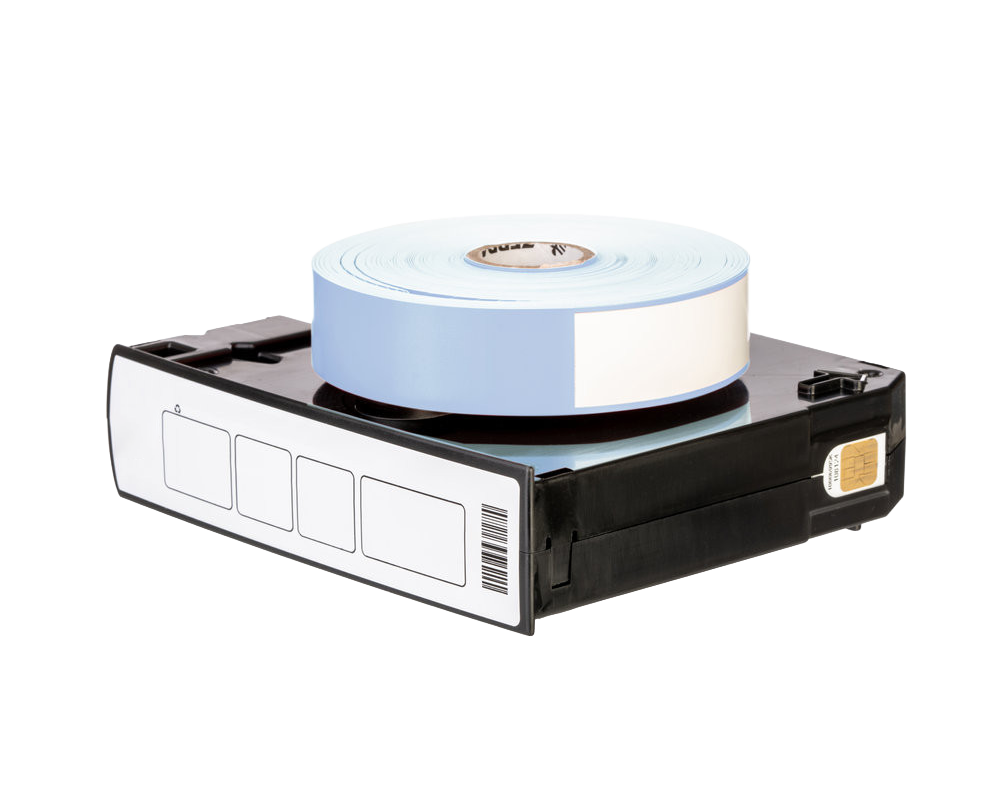

A zebra wristband is a patient identification band with black and white stripes, used by many hospitals and clinics to flag a specific safety alert at a glance. Staff can see the band from across a room, which makes it a quick visual signal during busy shifts.
Because wristband systems vary widely from one facility to the next, the zebra band works best when everyone uses the same meaning and the same placement rules. This guide explains what zebra bands are used for, how to set up a clear policy, and how to train staff so the signal is never missed.
Key takeaways
- A zebra wristband signals a specific alert, so define that alert in writing before you introduce the band.
- Use one standard meaning across all departments to avoid confusion.
- Pair the band with the patient chart and verbal handoffs, not in place of them.
- Audit the program regularly and retrain staff when policies change.
What a zebra wristband usually means
Facilities often use the zebra band 10006996K for a narrow set of alerts. Common examples include a do-not-resuscitate status, a documented allergy, or a fall-risk flag. The exact meaning is set by your own policy, not by the band itself.
Why the stripes help
The high-contrast pattern is easy to notice in a hallway or a crowded room. Staff who glance at a patient can see the alert without stopping to read a chart. That speed matters most in emergency and surgical settings.
Where the meaning can go wrong
A band with no written definition can mean different things to different nurses. If one unit uses zebra bands for falls and another uses them for allergies, a transferred patient may be misread. Consistency across units prevents this.
Setting up a zebra wristband policy
A written policy keeps the program clear and defensible. Start with the basics and expand only when the team is comfortable.
- Define the single alert the zebra band will represent.
- Name the clinical owner who approves the alert and reviews it.
- Write the criteria for applying and removing the band.
- Specify who applies the band and when, such as at admission or after an assessment.
- Decide how the band is documented in the electronic record.
- Set a review date to confirm the policy still fits your patients.
Who should apply the band
Assign the task to a role, not a person, so coverage continues during shift changes. Many facilities place this duty with the admitting nurse, with the attending physician confirming the alert.
Removing the band
Write removal criteria as clearly as application criteria. A band 10006998K that stays on after the risk has passed creates alarm fatigue, and a band removed too early leaves a real risk unmarked.
Comparing wristband colors and their roles
Facilities often use several bands together. The table below shows an example layout. Your own colors and meanings must come from your policy, so treat this as a template.
| Band type | Example meaning | Typical use |
| Zebra (stripes) | One defined safety alert | Set by your policy |
| Solid red | Allergy alert (example) | Allergy documentation |
| Solid yellow | Fall risk (example) | Mobility assessments |
| White | Standard identification | Every admitted patient |
Training staff to use the band well
A band only helps if people recognize it and act on it. Short, repeated training works better than one long session.
- Walk new staff through the policy during orientation.
- Run quick reviews at unit huddles when the policy changes.
- Include the zebra band in simulation drills for emergency scenarios.
- Ask staff to confirm the meaning out loud during handoffs.
Checking that it works
Spot-check a sample of patients each month. Confirm that the band is present when required, absent when no longer needed, and matched to the chart. Share the results with the team and adjust training where gaps appear.
Frequently asked questions
Is a zebra wristband the same at every hospital?
No. The stripes are a visual pattern, but the meaning is set by each facility. Always check your own policy before assuming what a band signals.
Who decides what the zebra band means?
A clinical leadership group, usually including nursing, physicians, and patient safety staff, should approve the meaning. Review it on a regular schedule.
Can a zebra band replace the patient chart?
No. The band is a quick visual cue that supports the chart and verbal handoffs. It should never be the only source of safety information.
What should a small clinic do first?
Start by writing a one-page policy that defines the single alert, the owner, and the removal rules. Train staff on that page before ordering any supplies.
Conclusion
Choose one alert that your team agrees matters most, write a one-page policy for it, and schedule a 15-minute training at your next staff huddle.