
Patient identification is one of the most critical components of safe healthcare delivery. Wristbands may seem like small, inexpensive consumables, but when their quality fails, the consequences reach far beyond minor inconvenience. Poor-quality wristbands can lead to workflow interruptions, scanning failures, wasted labor hours, increased costs, and even severe patient-safety incidents.
This article breaks down the hidden financial and clinical risks caused by low-grade wristbands—and explains why high-quality compatible wristbands are becoming the smarter choice for hospitals worldwide.
A. How Wristband Failures Disrupt Clinical Workflow
When a wristband fails, the workflow of multiple clinical staff is immediately disrupted. Common issues include:
• Smudged or fading barcodes
Poor top-coating or weak print contrast can cause barcodes to degrade, especially with sweat, moisture, or movement.
• Adhesive failure
Low-grade wristbands peel off, especially after patient bathing, sanitizer contact, or long wear.
• Delamination or tearing
Fragile materials tear easily when repositioned or brushed against equipment or bedding.
How this affects daily operations:
- Nurses must stop patient interactions to replace the wristband
- Patient re-verification is required, interrupting medication rounds
- Time-sensitive workflows (imaging, lab draws) are delayed
- Interruptions cascade across entire shifts
Hospitals often underestimate how much lost time accumulates simply from reapplying wristbands and troubleshooting scanning failures.
B. Barcode Scan Failures → Real Risk of Medication Errors
Barcode scanning is a proven safety barrier in the “five rights” medication process:
Right patient
Right medication
Right dose
Right route
Right time
When a wristband’s barcode fails to scan, nurses sometimes resort to manual entry, which reintroduces human error—the exact problem barcode systems were designed to prevent.
Barcode failures can cause:
- Wrong-patient medication administration
- Delays in critical drugs such as antibiotics or insulin
- Wrong specimen labeling
- Incorrect imaging orders
- Surgical-site verification failures
A wristband cartridge that fails even once can create a patient-safety risk. In high-volume units (ED, ICU, Pediatrics), these failures compound rapidly and jeopardize clinical reliability.
C. Reprinting & Time Waste: The Invisible Labor Cost
A single hospital wristband cartridge reprint may cost only cents—but the labor time lost is expensive.
Average time needed to replace a wristband: 2–5 minutes
Average nurse wage (global): $25–40/hour
If a hospital has 300 patients and just 10% require a reprint daily, the labor cost adds up:
- 30 reprints/day × 3 minutes each = 90 minutes of nursing time
- That’s 1.5 hours per day → 550+ hours per year
- Equivalent to $14,000–$20,000 per year in labor cost
And that’s a conservative estimate. Many hospitals replace far more wristbands due to print fading, adhesive issues, or disinfectant exposure.
D. Material Issues: Alcohol Resistance, Durability & Skin Safety
Healthcare environments require wristbands that can withstand:
• Constant alcohol exposure
During hand hygiene and cleaning routines, sanitizers regularly splash onto wristbands.
Low-quality wristbands suffer:
- Ink smearing
- Barcode fading
- Surface bubbling
• Disinfectant wipes & chemical cleaners
Many wristbands cannot tolerate hospital-grade chemicals, causing cracking or delamination.
• Long-term wear
Patients may wear wristbands for days or weeks. Poor materials lead to:
- Edge peeling
- Skin irritation
- Adhesive residue
- Discomfort for sensitive skin (elderly, pediatric)
• Mechanical movement and friction
Wristbands rub against bedding, gowns, and medical equipment.
Durable materials prevent tearing and retain barcode clarity.
A poor-quality wristband is not just a nuisance—it’s a safety hazard and a clinical resource drain.
E. The Financial Impact on Hospitals: Beyond the Price of the Wristband
Low-cost wristbands often appear budget-friendly, but hospitals pay far more across the full lifecycle.
Direct Financial Losses
- High reprint rates
- Increased consumption of cartridges/ribbons (if used)
- Wasted wristbands due to defective materials
Indirect Financial Losses
- Nurse time diverted from patient care
- Workflow delays causing overtime or missed throughput targets
- Additional IT helpdesk calls for scanning issues
- Repeat patient verification steps
Risk-Related Financial Exposure
- Costs associated with medication errors
- Repeat lab work due to specimen mislabeling
- Increased liability and compliance risks
- Potential penalties from accreditation audits (e.g., Joint Commission)
A $0.15 wristband can become a $50 problem when it leads to workflow disruption, delays, or clinical mistakes.
F. How High-Quality Compatible Wristbands Avoid These Problems
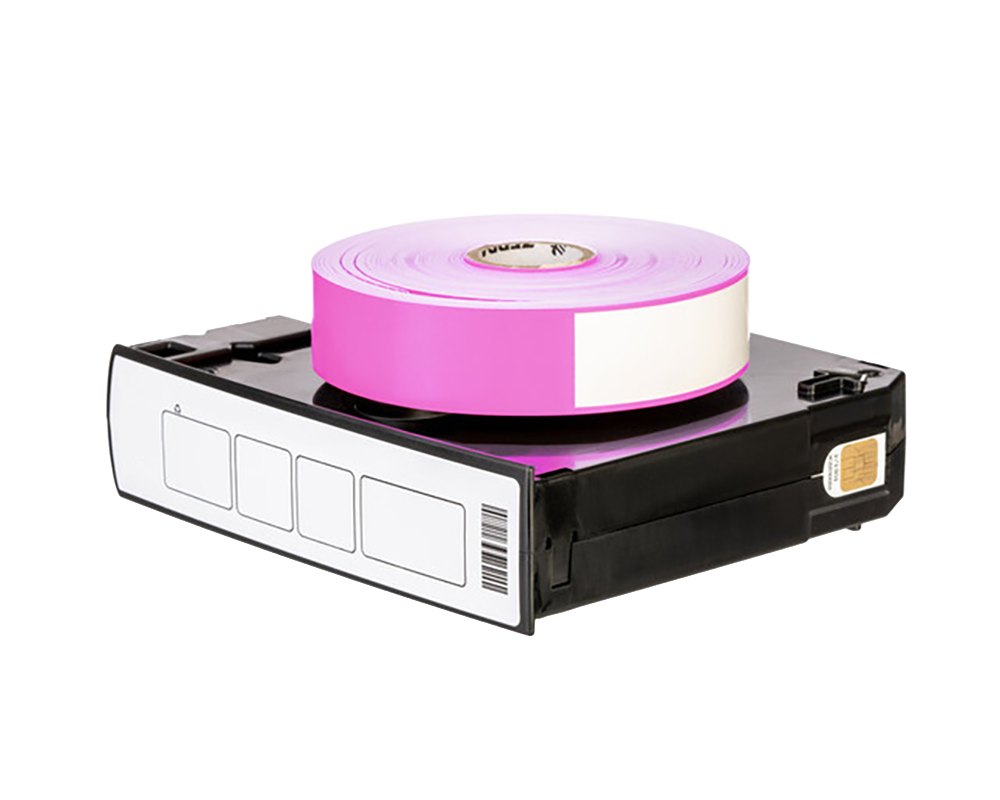
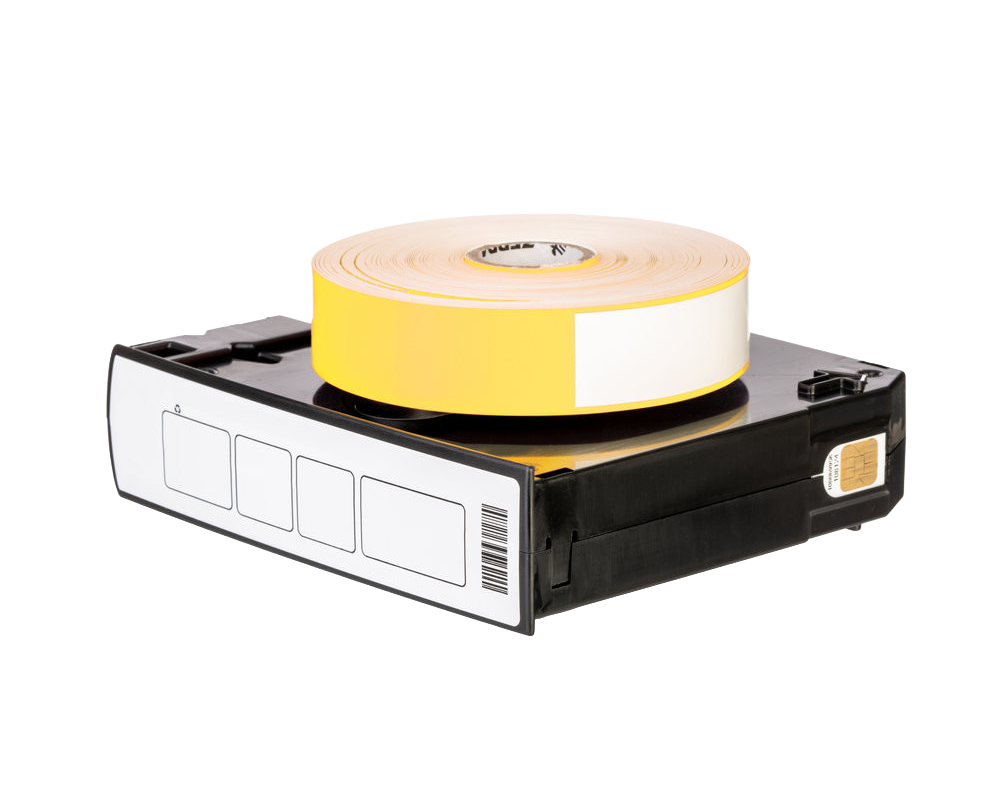
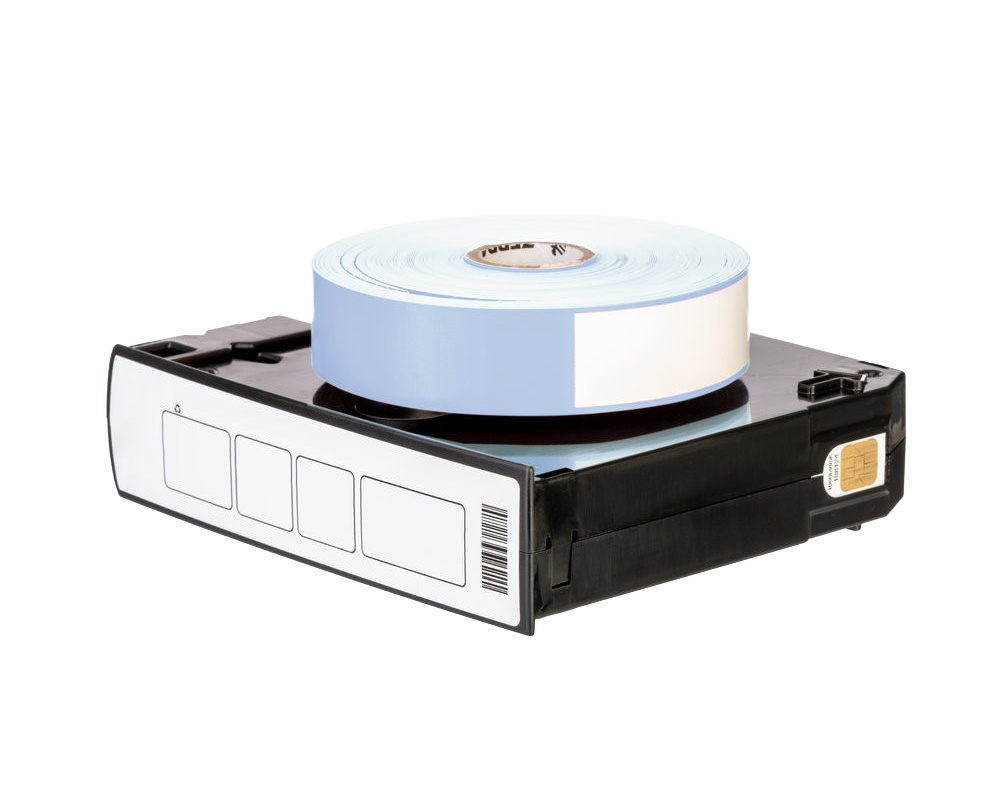
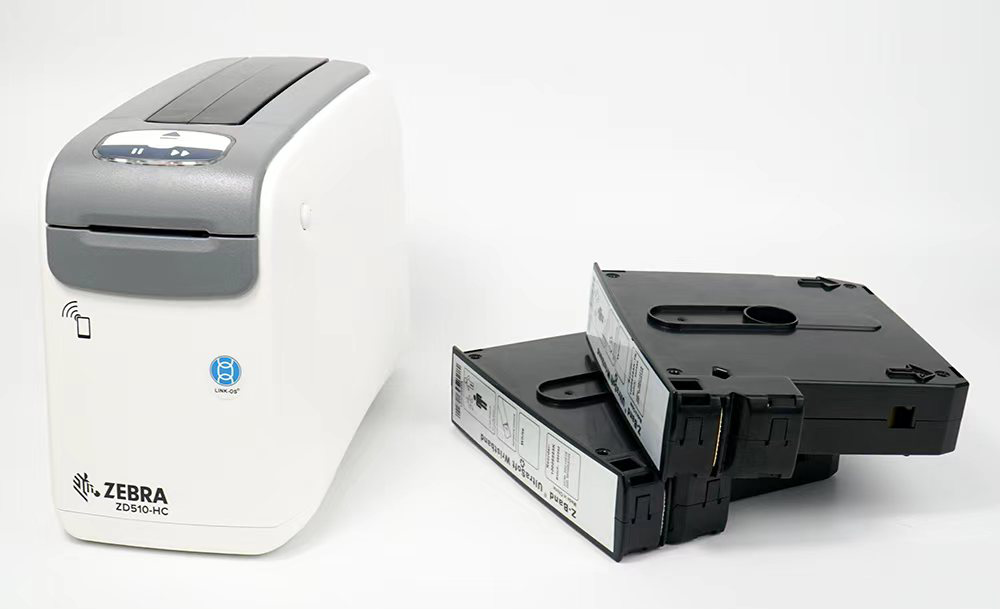
Premium-compatible wristbands—especially those engineered for printers like the Zebra ZD510-HC—solve these issues to reduce hospital wristband costs of OEM consumables.
1. Superior Print Surface & Coating
- Sharp barcode definition
- No smearing after alcohol exposure
- High scanner success rate
2. Medical-Grade Materials
- Hypoallergenic
- Comfortable for long-term wear
- Resistant to tearing, moisture, and friction
3. Strong, Skin-Safe Adhesives
- Secure hold even after bathing
- No irritation residue
- Easy to remove at discharge
4. Tested for Disinfectant Resistance
- Remains readable after chlorine wipes
- Maintains print contrast
- Prevents peeling or cracking
5. Lower Total Cost of Ownership (TCO)
High-quality ZD510-HC compatible wristbands cut costs through:
- Fewer reprints
- Higher scanning accuracy
- Less workflow disruption
- Lower price per unit vs OEM bands
For hospitals balancing budget constraints and safety standards, top-tier compatible wristbands deliver the best safety-to-cost ratio.
Conclusion
Poor-quality wristbands create far more problems than they solve: workflow disruptions, scanning failures, increased labor costs, material deterioration, and even risk of patient harm. The small daily failures accumulate into substantial financial and clinical consequences.
High-quality compatible wristbands offer a practical, safe, and cost-effective upgrade. When paired with reliable healthcare printers like the Zebra ZD510-HC, they help hospitals maintain patient safety, reduce avoidable labor waste, and keep operational costs under control.