
Healthcare systems around the world are under enormous pressure to reduce operational costs without compromising patient safety. From consumables to devices, hospitals are examining every aspect of their budgets—looking for reliable, compliant, and cost-effective alternatives. Among the most overlooked sources of savings is the patient wristband, a high-use consumable essential for patient identification throughout their hospital journey.
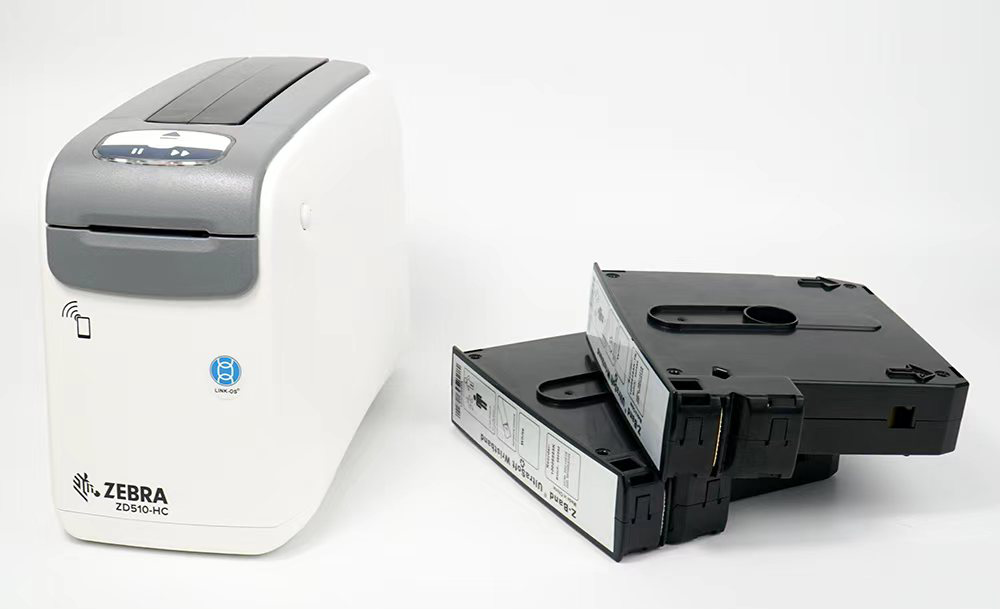
With the increasing adoption of the Zebra ZD510-HC wristband printing system, hospitals are now discovering that switching to premium compatible wristbands can dramatically lower costs while maintaining the same level of clinical performance and safety. In this comprehensive guide, we explain how compatible wristbands are reshaping procurement strategies and why they are becoming the preferred choice for modern healthcare systems.
Introduction: The Rising Cost Burden in Healthcare
Healthcare providers face rising expenses across staffing, equipment, medical supplies, and compliance requirements. Wristbands—though small and low-cost individually—become a significant line item when used in massive volumes.
A mid-sized hospital can consume:
- 120,000 to 300,000 wristbands per year
- Across emergency departments, inpatient units, outpatient clinics, and maternity care
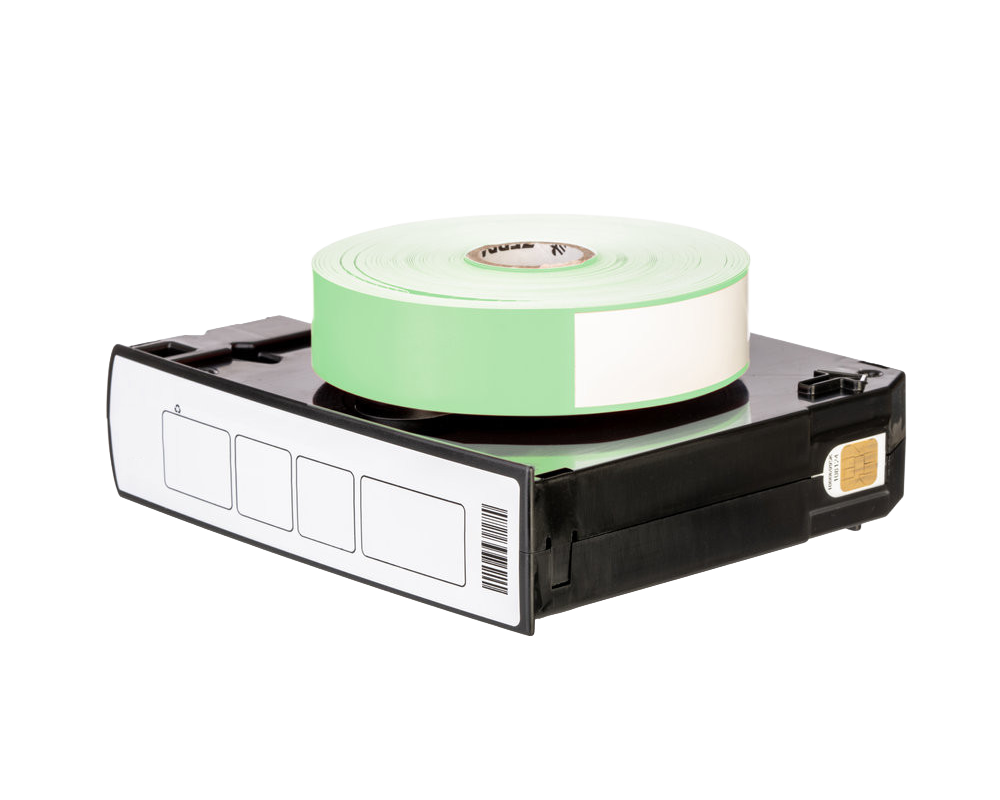
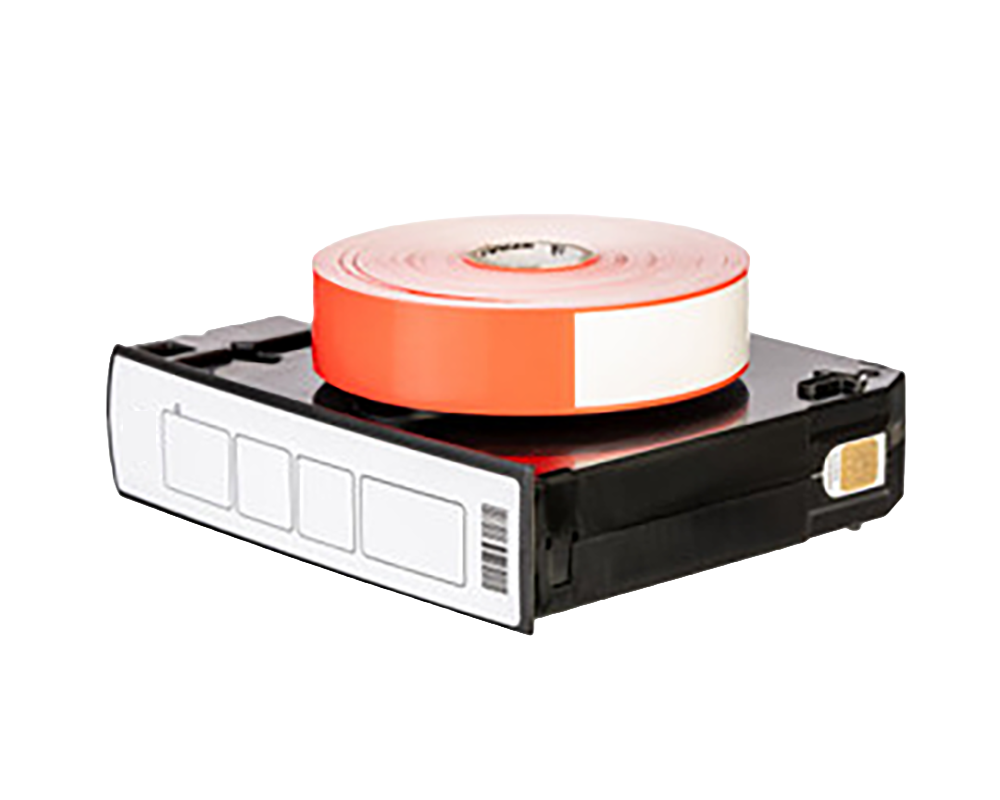
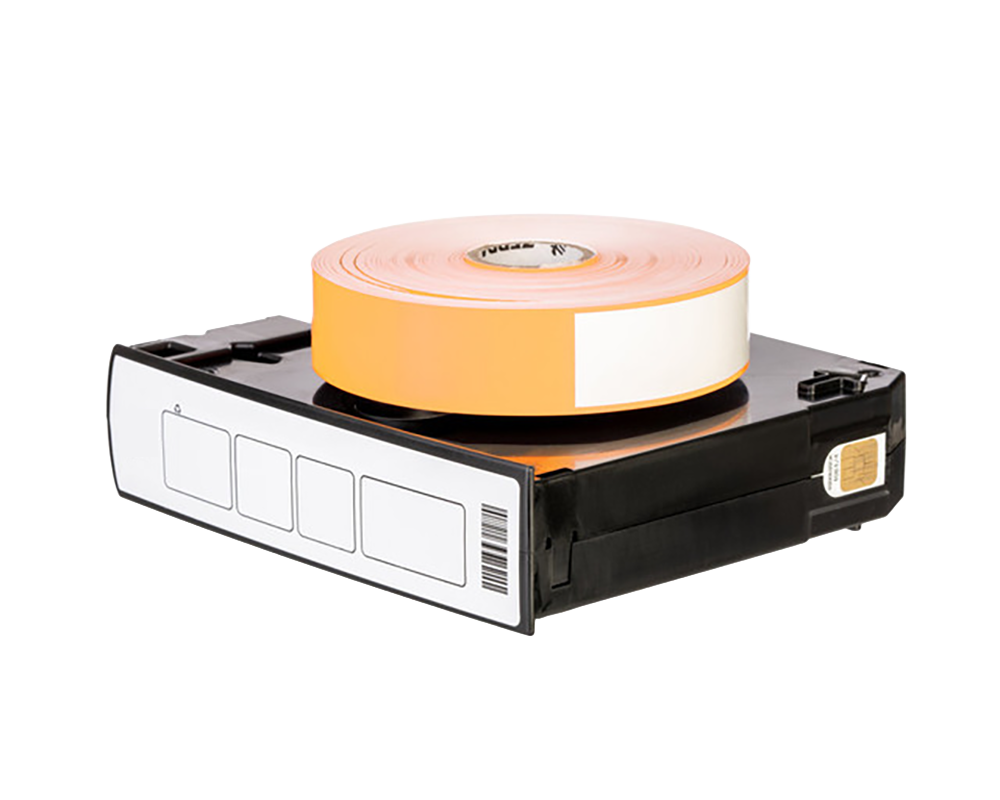
Most hospitals traditionally purchase OEM wristbands (original Zebra Z-Band cartridges) at premium pricing. However, procurement teams now recognize that compatible Zebra 10006998K wristbands offer equal performance at a fraction of the cost.
The shift toward compatible consumables is not driven by cutting corners—but by responsible cost optimization supported by high-quality manufacturing and material standards.
What Are Compatible Wristbands for the ZD510-HC?
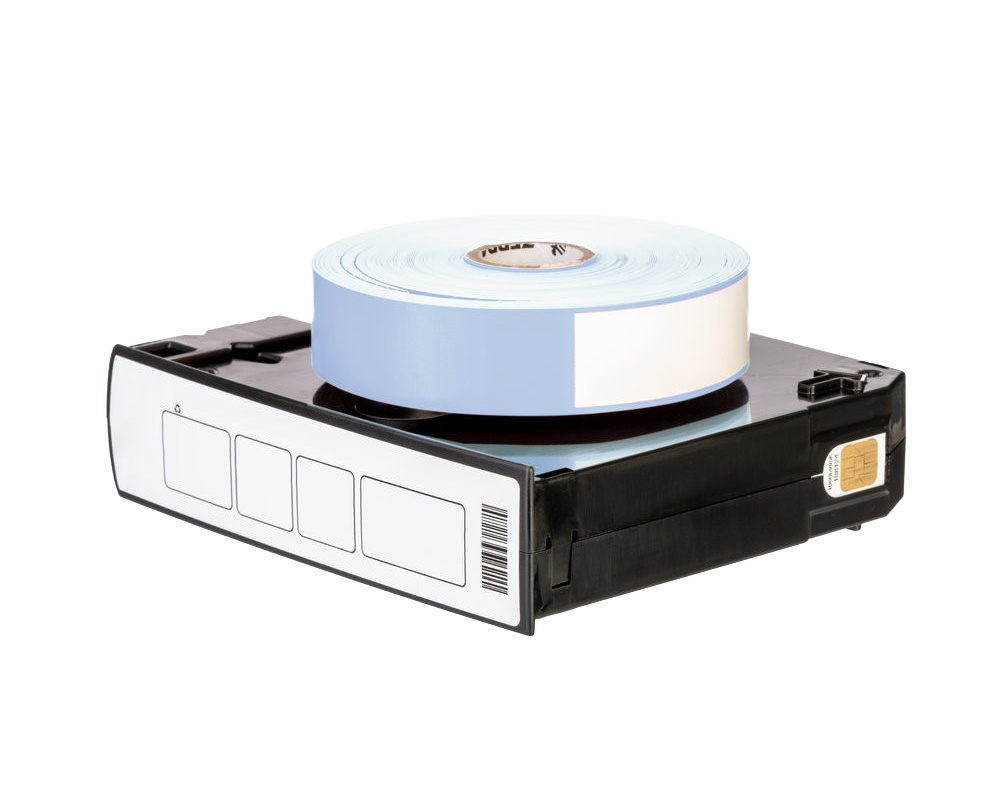
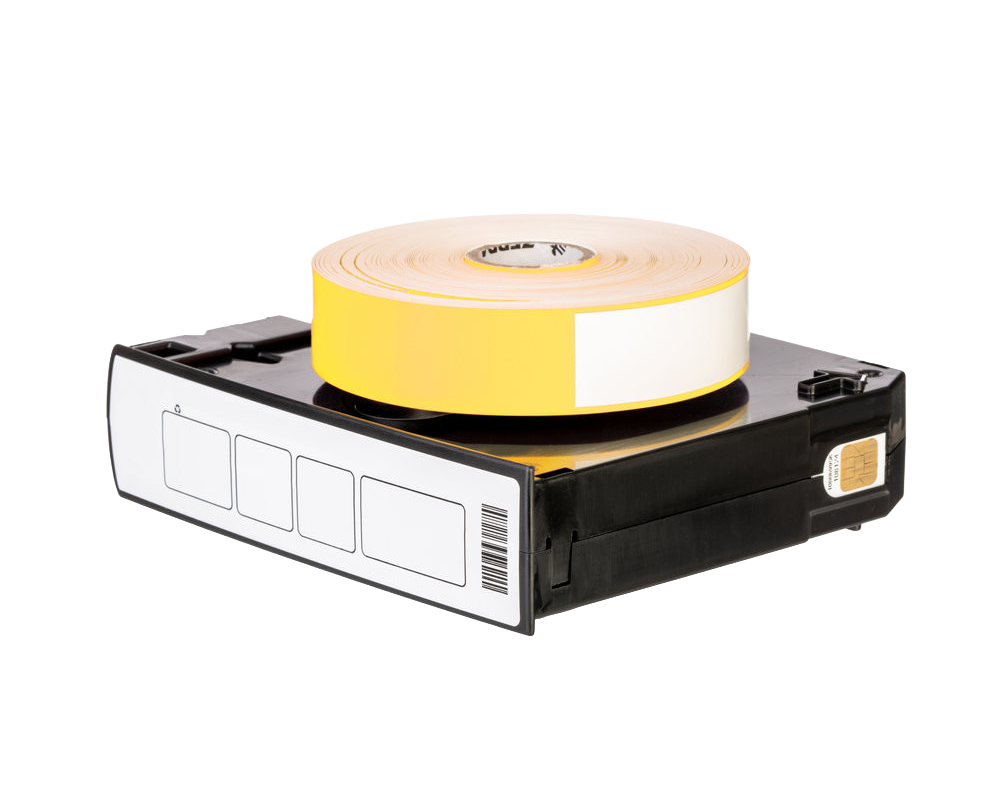
Compatible wristbands are non-Zebra branded wristbands engineered specifically to work with the Zebra ZD510-HC 10033832K wristband printer. They are designed with the same:
- Cartridge structure
- Print surface materials
- Barcode readability performance
- Skin-safe adhesives
- Thermal coating formulations
When manufactured by certified factories, compatible wristbands perform to the same standard as OEM wristbands, with the primary difference being cost.
High-end compatible wristbands undergo:
- Adhesive safety testing
- Disinfectant resistance tests
- Barcode contrast and scanning accuracy evaluation
- Durability performance assessments
This ensures they maintain the integrity required for patient identification and electronic health record workflows.
How Compatible Wristbands Reduce Hospital Costs
The cost difference between OEM wristbands and compatible wristbands is substantial. While OEM consumables are priced at a premium, compatible wristbands can save hospitals 50–70% on consumables without impacting workflow or patient safety.
Cost Example
A hospital using:
- 200,000 wristbands annually
- OEM cost per wristband: High
- Compatible wristband cost: 50% lower
Annual savings can reach tens or even hundreds of thousands of dollars.
For hospital networks with multiple campuses, the savings multiply exponentially and directly improve the financial stability of patient-care operations.
Compatible wristbands are one of the easiest, lowest-risk switches hospitals can make to dramatically reduce total consumable spending.
Performance Comparison: OEM vs. High-Quality Compatible Wristbands
High-quality compatible wristbands are designed to match OEM performance in every essential category.
1. Durability
Both OEM and quality compatible wristbands ensure:
- Water resistance
- Chemical and sanitizer resistance
- Long-term wear without peeling or tearing
2. Print Quality
The primary function of a wristband is barcode scanning, and compatible wristbands offer:
- High contrast
- Sharp thermal imaging
- Clear text and barcodes even after days of wear
3. Patient Comfort
Premium compatible direct-thermal wristband 10026691K use skin-safe materials:
- Hypoallergenic adhesives
- Smooth edges
- Non-irritating surfaces
4. Printer Compatibility
Well-engineered compatible wristbands:
- Are fully recognized by the ZD510-HC
- Auto-calibrate like OEM cartridges
- Produce consistent print quality without jams or misfeeds
When sourced from trusted manufacturers, compatible wristbands deliver identical real-world performance while dramatically reducing costs.
Are Compatible Wristbands Safe? Key Certification Requirements
Safety is the top priority in healthcare. Any wristband touching patient skin must meet strict material and safety standards.
High-quality compatible wristbands should meet:
- Biocompatibility standards for skin contact
- ISO medical material safety requirements
- Non-toxic printing surface certification
- Hypoallergenic adhesive tests
- Chemical resistance standards (alcohol, disinfectants, sanitizers)
Advanced manufacturers conduct:
- 24–72 hour adhesive hold tests
- Elasticity and tear-resistance testing
- Print longevity and barcode scanning trials
- Durability simulation under hospital conditions
Compatible wristbands from reputable suppliers are as safe as OEM options, meeting every requirement for clinical use.
The Role of Wristbands in Patient Safety
Patient wristbands are essential in ensuring accurate identification throughout the hospital experience. Every mis-scan or unreadable barcode introduces risk.
A wristband ensures accuracy for:
- Medication administration
- Surgical procedures
- Diagnostic imaging
- Laboratory tests
- Blood transfusions
- Emergency department care
Low-quality wristbands that smudge, fade, or irritate the skin can compromise patient safety. This is why material quality—not brand—is the key factor.
Premium compatible wristbands today are engineered to meet the high expectations of clinical environments.
Why the Market Is Rapidly Moving Toward Compatible Wristbands
The transformation in procurement is driven by several major shifts:
1. Rising healthcare cost pressure
Hospitals must optimize budgets without lowering clinical standards.
2. Improved quality of compatible wristband manufacturing
Today’s compatible suppliers use hospital wristband materials and advanced thermal coatings.
3. The need for supply chain flexibility
Hospitals are avoiding reliance on a single OEM supplier.
4. Growing acceptance among global hospital networks
Cost-saving initiatives increasingly include switching to compatible consumables—starting with wristbands.
The market trend is clear: high-performance compatible wristbands are becoming the new normal.
How to Evaluate a High-Quality Compatible Wristband Supplier
Not all compatible wristband suppliers meet medical standards. Hospitals should evaluate potential suppliers using objective criteria.
Checklist for Vetting Suppliers
- Experience manufacturing medical wristbands
- Material certifications and testing documentation
- Stable production capacity
- Cleanroom or controlled factory environments
- Specialized knowledge of ZD510-HC compatibility
- Proven barcode and print testing results
- Ability to provide free samples for hospital testing
- Transparent supplier references
Buying from a direct factory—instead of a trading company—ensures consistent quality and long-term reliability.
Risks of Low-Quality Compatible Wristbands—and How to Avoid Them
Low-quality wristbands create risks such as:
• Barcode fading
Leading to scanning errors, retesting, or treatment delays.
• Poor adhesive performance
Falling off during patient movement or showering.
• Skin irritation or allergic reactions
Causing patient discomfort and clinical complaints.
• Inconsistent printing performance
Resulting in nurse frustration and wasted time.
• Printer compatibility issues
Such as misfeeds or unreadable cartridges.
All of these risks can be eliminated by choosing manufacturers with proven healthcare experience and documented quality testing.
Total Cost of Ownership (TCO) Analysis for Wristband Printing
It’s not just about the hidden costs of hospital wristbands itself—it’s about everything around it.
TCO includes:
- Wristband unit cost
- Printer uptime
- Nurse workflow efficiency
- Print error rates
- Waste reduction
- Supply chain stability
High-quality compatible wristbands improve TCO by:
- Reducing misprints
- Minimizing scanner errors
- Lowering consumable expenses
- Preventing workflow delays
The result is a significant long-term financial advantage.
How Compatible Wristbands Improve Hospital Supply Chain Stability
Hospitals often struggle with long OEM lead times or limited regional inventory. Compatible wristband manufacturers provide:
- Shorter delivery times
- More stable inventory
- Superior bulk order pricing
- Flexible logistics (sea, air, express)
- Private labeling or custom branding
A diversified supply chain gives hospitals greater control and reduces operational risk—something that became crucial during recent global disruptions.
Where to Purchase Safe, High-Quality Compatible ZD510-HC Wristbands
The best option is to source from a manufacturer specializing in medical wristbands, not generic printing suppliers.
At ID Print Care, we provide:
- Premium compatible wristbands engineered for the ZD510-HC
- Medical-grade materials and adhesive safety
- Strict barcode readability and durability testing
- Factory-direct pricing for maximum savings
- Fast global shipping (air, sea, express)
- Sample testing before bulk ordering
Our products are designed to give hospitals the same performance as OEM wristbands while delivering substantial cost reduction.
Conclusion
Compatible wristbands for the Zebra ZD510-HC are reshaping hospital cost management. As healthcare systems face rising pressure to reduce expenses, switching to high-quality, medically-safe compatible wristbands is one of the most effective changes a hospital can make.
With equal performance, equal safety, and dramatically lower costs, compatible wristbands represent the future of responsible procurement in healthcare. By choosing the right supplier—one that prioritizes quality and patient safety—hospitals can reduce operational expenses without changing workflows or compromising care.